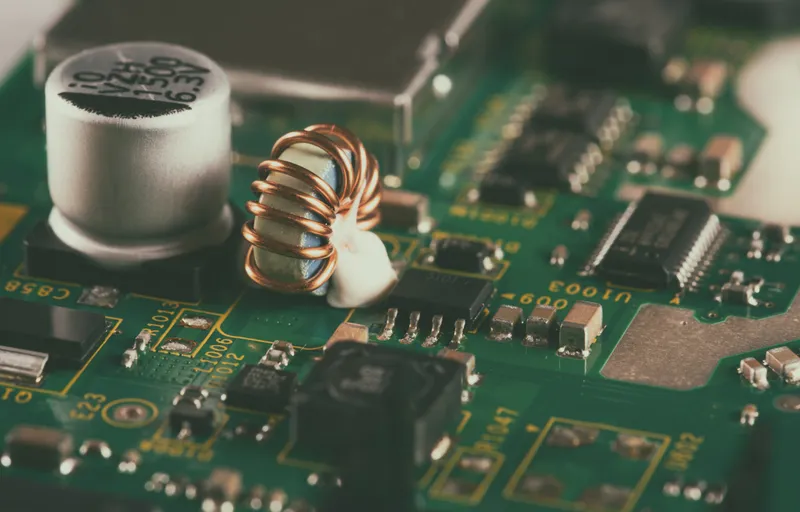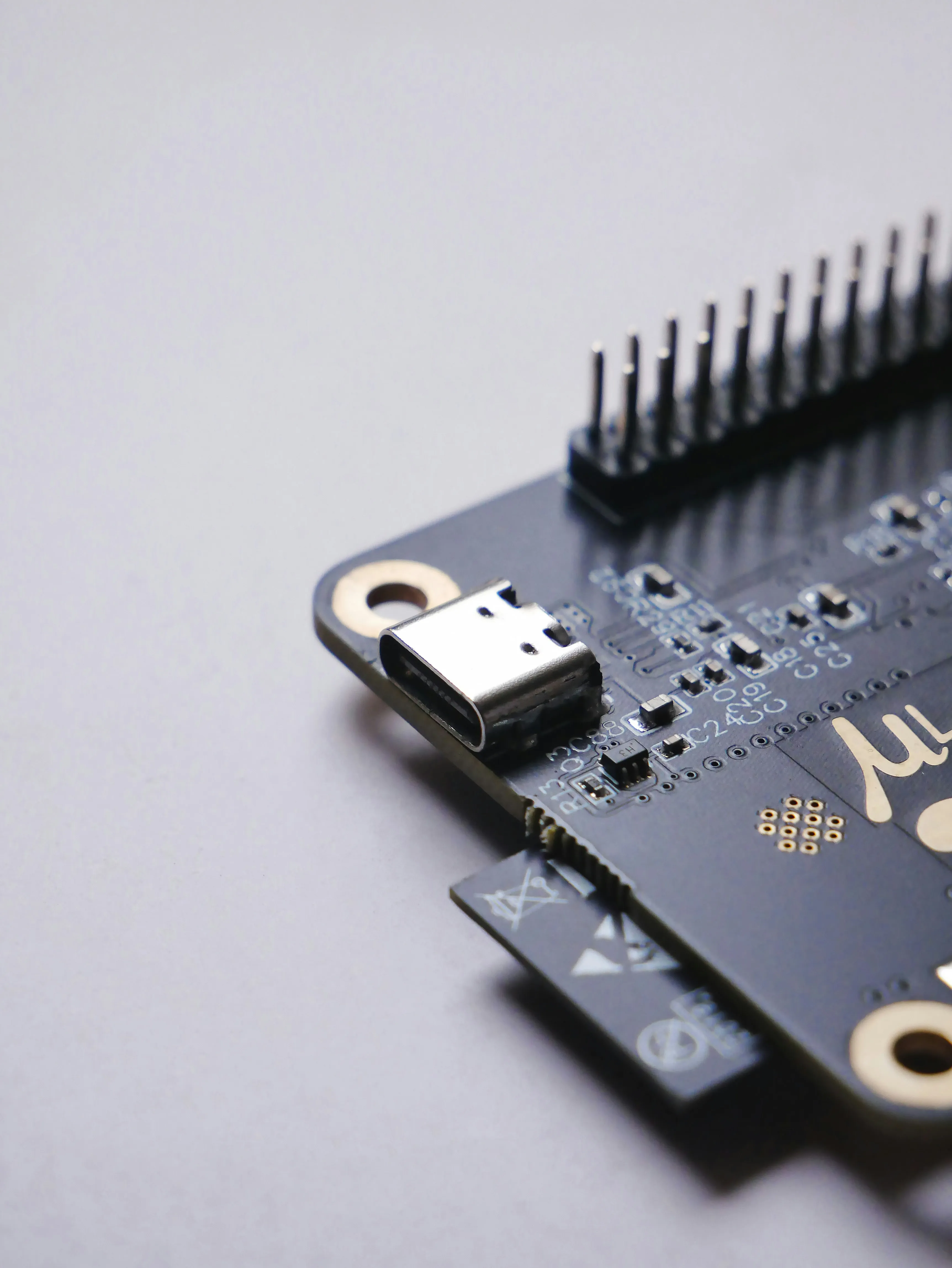
Taking an idea from concept to series production is one of the most complex challenges in electronic engineering. Every decision made in the early stages has a direct impact on cost, timeline, and final product quality. In this case study, we illustrate the end-to-end process Nexilica uses to transform a concept into a market-ready electronic product.
From requirements definition to finished product delivery, our structured 4-phase approach ensures full traceability, cost control, and certified quality at every step.
1. Project Definition and Feasibility Study
Everything begins with a direct dialogue with the client. Nexilica dedicates the first phase to thoroughly understanding the technical, functional, and economic requirements of the project, building a solid foundation for product development.
A rigorous feasibility analysis evaluates every constraint — from component availability to budget compatibility — before a single schematic is drawn.
What we do in this phase:
- Requirements gathering: together with the client, we define technical, functional, and aesthetic specifications, analyzing every critical aspect of the product.
- Feasibility analysis: we evaluate technical and economic feasibility, verifying component availability, required technologies, and cost structure.
- Schematic design: we design circuits using advanced electronic CAD tools, selecting components for performance, market availability, and lifecycle status.
- PCB design: we create the board layout optimizing component placement to reduce interference, improve thermal dissipation, and simplify assembly. A 3D model allows us to resolve issues before production.
2. Prototype Development
With a validated design in hand, we move to the most tangible phase: turning schematics into real hardware. The prototype is the product's first proving ground and must faithfully reflect the final design.
The process includes:
- Component sourcing: we select and procure the most suitable components, verifying quality, authenticity, and supply chain availability.
- SMT assembly: we use automated production lines with pick-and-place machines for precise component positioning. Soldering is performed by reflow or wave, ensuring maximum reliability.
- Quality inspection: every assembled board undergoes Automated Optical Inspection (AOI) and Flying Probe electrical testing to verify correct installation and absence of defects.
3. Testing and Validation
The prototype works on paper, but can it withstand real-world conditions? The testing and validation phase is the moment of truth: we verify the product meets every specification and passes the most rigorous tests.
The checks we perform:
- Functional testing: every board is tested for power supply, signal, and communication to verify performance against technical specifications.
- Verification and validation: a two-stage process — first we confirm the prototype was correctly built (verification), then we certify it meets client requirements and industry regulations (validation).
- Stress and reliability testing: we simulate extreme operating conditions — thermal cycling, humidity, vibration — to ensure the product performs reliably over time.
4. Series Production
Once validation is complete, the product is ready for series production. In this phase, the goal is to replicate prototype quality at scale, maintaining consistency and reliability unit after unit.
The production process:
- Series manufacturing: boards are produced on advanced automated lines with constant quality monitoring and optimized inventory management to reduce costs and lead times.
- Final assembly: boards are integrated into the finished product, which may include mechanical components, firmware and software installation, and precise calibration.
- Final quality control: every unit produced undergoes functional testing, visual inspection, and performance tests. Only products meeting quality standards are released for distribution.
Nexilica doesn't just deliver a prototype: we accompany the client from the first idea through series production, ensuring full traceability, technical documentation, and ongoing support. If you're developing a new electronic product, let's talk.